 DS
DSStack
A stack is a data structure where elements are added and removed from the top, following the Last-In-First-Out (LIFO) principle.
Theory Simulation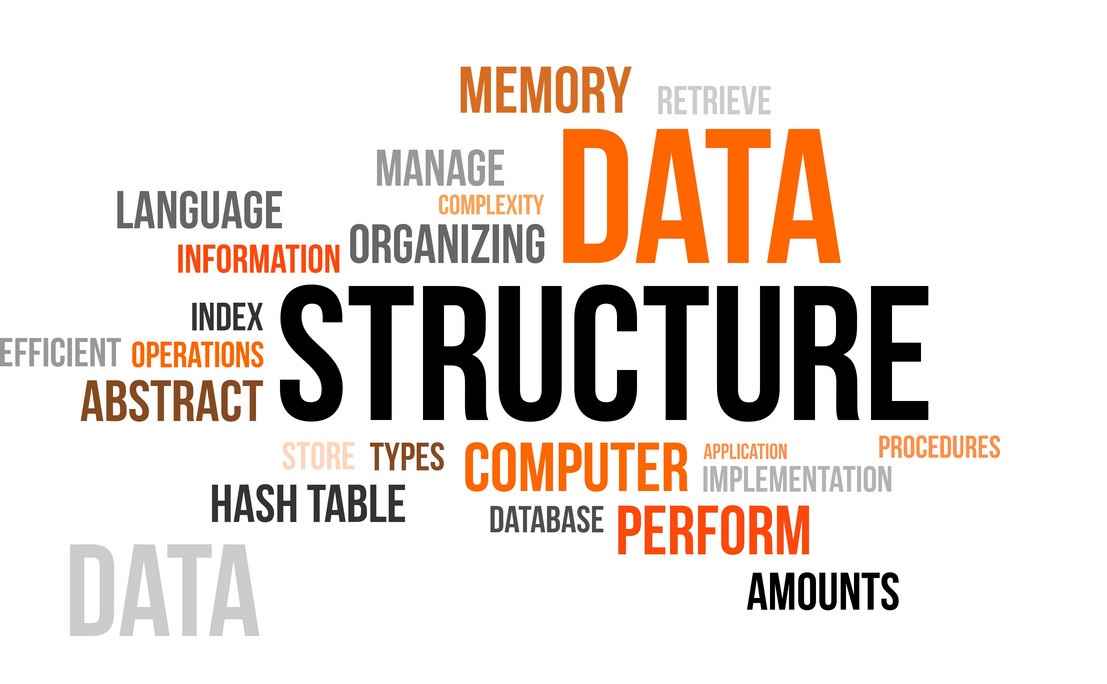
A data structure is a way of organizing and storing data in a computer so that it can be used efficiently. It provides a way to organize and manipulate data in a way that allows for quick and easy access, insertion, deletion, and searching. Data structures can range from simple arrays and lists to more complex structures like stacks, queues, trees, graphs, and hash tables.
Here are some key aspects of data structures:
 Organization: Defines data's structure and relationships.
another.
Storage: Dictates data's memory/storage handling.
Operations: Specifies supported data actions (insert, delete,
etc.).
Complexity: Varies in time/space efficiency per structure.
Abstraction: Hides low-level data handling details
for ease of use.
Organization: Defines data's structure and relationships.
another.
Storage: Dictates data's memory/storage handling.
Operations: Specifies supported data actions (insert, delete,
etc.).
Complexity: Varies in time/space efficiency per structure.
Abstraction: Hides low-level data handling details
for ease of use.
Welcome to the Data Structures Hub, your go-to resource for all things related to data structures! We are passionate about helping you understand the fundamental building blocks of computer science that make data manipulation and storage efficient and effective.

Our mission is to empower individuals, students, and professionals with the knowledge and skills they need to excel in the world of data structures. We believe that a strong foundation in data structures is essential for anyone pursuing a career in computer science, data science, or software engineering.

Our website is packed with easy-to-understand articles, tutorials, and guides on a wide range of data structures. Whether you're a beginner or an experienced programmer looking to refresh your knowledge, you'll find valuable resources here.

We bring data structures to life through interactive visualizations. These visual aids help you grasp complex concepts by seeing them in action.
Check our Services
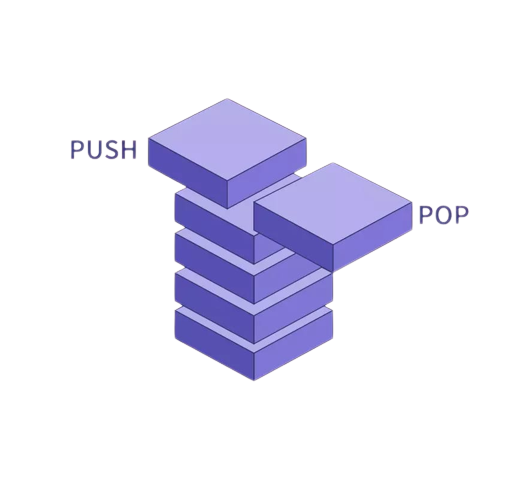
A stack is a data structure where elements are added and removed from the top, following the Last-In-First-Out (LIFO) principle.
Theory Simulation
A queue is a data structure where elements are added at the rear and removed from the front, following the First-In-First-Out (FIFO) principle
Theory Simulation
Linear search is a simple algorithm to find a target value within a list. It sequentially checks each element until a match is found or the list is exhausted.
Theory Simulation
Binary search is a fast algorithm for finding a target value within a sorted array by repeatedly dividing the search interval in half, reducing the search space efficiently.
Theory Simulation
Simple sorting algorithm that repeatedly steps through the list, compares adjacent elements, and swaps them if they are in the wrong order, making larger elements "bubble" to the top.
Theory Simulation
Is a simple sorting algorithm that repeatedly selects the minimum element from an unsorted array and moves it to the beginning. This process is iterated until the array is sorted.
Theory SimulationContact Us
xyz@gmail.com
+91 99999 88888